
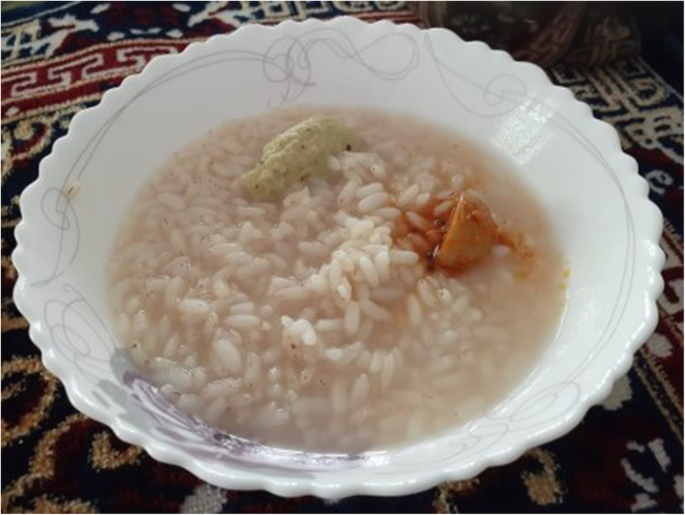
When fever strikes, food choices matter more than you’d think. The question of should you eat curd rice during fever comes up constantly in Indian households. The answer isn’t a simple yes or no — it depends on fever type, symptoms, and timing.
Is Curd Rice Good for Fever Patients?
Curd is a pre-fermented food, meaning your body doesn’t need strong enzymes to digest it. During fever, digestive enzyme activity drops because elevated body temperature denatures proteins — a 2011 study in Journal of Thermal Biology confirmed enzyme efficiency falls significantly above 38.5°C. So light, pre-digested foods like curd rice actually make sense.
One serving of curd rice provides roughly 150–180 calories, 5g protein, probiotics (Lactobacillus strains), calcium, and B12. That’s decent nutrition when appetite is low.
Can We Eat Curd in Viral Fever?
For most viral fevers — yes, with caution. Curd’s probiotics support gut microbiome, which is especially helpful if you’re on antibiotics. A 2012 meta-analysis in JAMA found probiotic consumption reduced antibiotic-associated diarrhea by 42%.
However, avoid curd rice if you have typhoid fever. Doctors typically restrict fermented dairy during typhoid because it can irritate an already inflamed gut lining.
Can We Eat Curd in Fever and Cough?
This is where things get tricky. In Ayurveda, curd increases kapha dosha and may worsen mucus production. Modern evidence is mixed — a 2018 review in Journal of the American College of Nutrition found no direct link between dairy and increased mucus. But many patients report feeling more congested.
Practical rule: if you have dry fever without much phlegm, curd rice is fine. If you’re dealing with heavy cough and mokrota, skip it and try rice kanji with ginger instead.
Is It OK to Eat Rice During a Fever?
Absolutely. Plain white rice is bland, easy on the stomach, and provides quick energy. It’s also useful during fever-related diarrhea since it helps bind stools. Pair it with light dal or curd for balanced nutrition.
Curd Rice During Fever for Kids
Children under 2 should avoid curd rice during high fever — their digestive systems are still developing. For older kids, offer small portions at room temperature during lunch. Never cold, never at night. Adding a pinch of roasted cumin helps digestion.
Best Time and Way to Eat Curd Rice When Sick
- Eat it at lunch, not dinner — Ayurveda and modern dietetics both agree nighttime curd consumption can be heavier to digest
- Room temperature only. Cold curd from the fridge can shock an already weak digestive system
- Add roasted cumin, curry leaves, or a tiny piece of ginger
- Keep portions small — half a bowl is enough
FAQ
Can I Eat Curd Rice During Throat Infection?
Room-temperature curd rice is soothing for sore throats. Avoid if there’s severe tonsilitis with pus, as dairy might increase discomfort.
Can We Drink Buttermilk During Fever and Cold?
Buttermilk is lighter than curd and often better tolerated. Add rock salt and cumin for electrolyte support.
Is Curd Good for High SGPT?
Curd in moderation doesn’t harm liver enzymes. But if you have cirrhosis, consult your doctor before adding fermented foods.
Final Thoughts
Curd rice can be a helpful comfort food during most fevers — its easy on digestion, provides probiotics, and delivers nutrition when nothing else appeals. Just match it to your symptoms: skip it with heavy cough or typhoid, prefer lunchtime servings, and always eat it at room temperature. When in doubt, rice kanji or khichdi are safer alternatives that work for virtually every type of fever.
