
Last updated on August 19th, 2026 at 07:35 pm
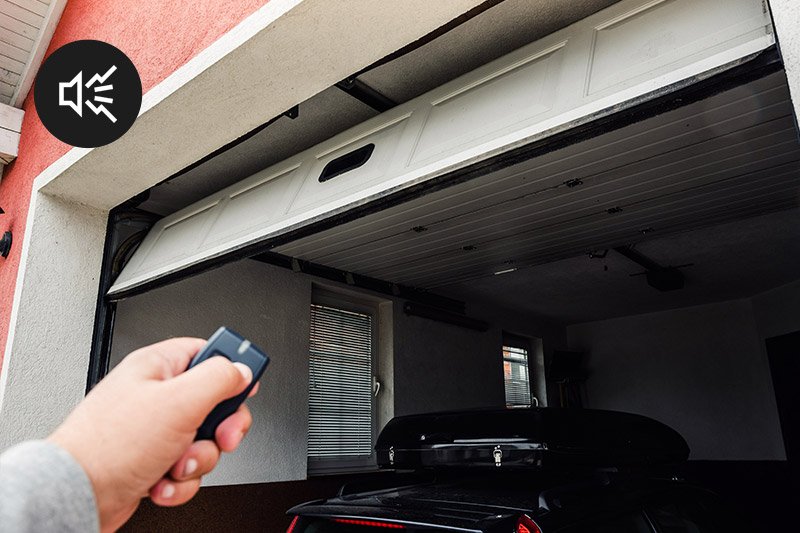
A noisy garage door can be more than just an annoyance; it may signal underlying issues that could lead to costly repairs if left unaddressed. Homeowners often notice grinding, squeaking, banging, or rattling sounds when operating their garage doors, and these noises can disrupt daily routines and even disturb neighbors. Understanding the causes behind these sounds is crucial for maintaining the safety and longevity of your garage door system. By identifying the source of the noise early, you can take steps to resolve minor problems before they escalate into major malfunctions, ensuring your garage door operates smoothly and quietly for years to come.
What to Expect in This Guide
Common Causes of Garage Door Noises
Garage doors are complex systems with many moving parts, and over time, these components can wear out or become misaligned, leading to a variety of noises. One of the most frequent culprits is a lack of lubrication on the metal parts, such as rollers, hinges, and springs. When these parts dry out, they create friction, resulting in squeaking or grinding sounds. Another common cause is loose hardware. The constant movement of the door can cause nuts, bolts, and screws to loosen, which may produce rattling or banging noises as the door operates. Additionally, worn-out rollers or tracks can cause the door to jerk or vibrate, amplifying the noise. Sometimes, the problem lies with the garage door opener itself, especially if it is an older chain-driven model, which tends to be louder than newer belt-driven systems. Environmental factors, such as temperature changes, can also cause metal parts to expand or contract, leading to unexpected sounds. Regular inspection and maintenance are essential to pinpoint the exact cause and prevent further damage.
When to Seek Professional Help
While some garage door noises can be resolved with simple maintenance, others may indicate more serious issues that require professional attention. If you notice persistent loud noises despite regular lubrication and tightening of hardware, it could be a sign of a failing spring or a misaligned track. Springs are under high tension and can be dangerous to handle without proper training, so it is important not to attempt repairs yourself. Similarly, if the door appears to be off-balance or struggles to open and close smoothly, this could point to a problem with the cables or the opener mechanism. In such cases, contacting a service like Expert Garage Door Repair in salina ks ensures that the issue is diagnosed and fixed safely, preventing potential injuries and further damage to your garage door system.
Quick Fixes for Minor Noises
Sometimes, garage door noises can be addressed with a few simple steps at home. Start by inspecting the tracks for debris or obstructions that might be causing the door to grind or squeak. Cleaning the tracks with a damp cloth and ensuring they are free from dirt can make a noticeable difference. Next, apply a silicone-based lubricant to the rollers, hinges, and springs to reduce friction and eliminate squeaks. Check all visible hardware, such as bolts and screws, and tighten any that appear loose. If your garage door uses metal rollers, consider upgrading to nylon rollers, which tend to operate more quietly. However, if these quick fixes do not resolve the noise, it may be time to consult a professional for a more thorough inspection.
When basic maintenance does not solve recurring noise, a professional installation service can assess whether the door is properly aligned and fitted. Choosing an experienced Garage Doors provider can help ensure the tracks, rollers, springs, and opener are installed according to manufacturer specifications. Professional installation can improve smooth operation and help prevent avoidable problems over time.
The Importance of Regular Maintenance
Regular maintenance is key to keeping your garage door operating quietly and efficiently. Scheduling periodic inspections allows you to catch minor issues before they become major problems. During these inspections, pay attention to the condition of the springs, cables, rollers, and tracks. Lubricate all moving parts at least twice a year, and replace any worn or damaged components promptly. Keeping the opener mechanism clean and properly adjusted also contributes to quieter operation. By investing a little time in routine care, you can extend the lifespan of your garage door and avoid unexpected breakdowns that could disrupt your daily life.
How Weather Affects Garage Door Noise
Temperature fluctuations can have a significant impact on garage door noise. In colder months, metal components may contract, causing them to fit more tightly and produce creaking or popping sounds. Conversely, in warmer weather, parts may expand, leading to misalignment or increased friction. Humidity can also cause wooden doors to swell or warp, resulting in additional noise during operation. Being aware of these seasonal changes can help you anticipate and address noise issues as they arise, ensuring your garage door remains quiet and functional throughout the year.
Conclusion
A loud garage door is often a warning sign that should not be ignored. Whether the noise is due to simple wear and tear, lack of maintenance, or more serious mechanical issues, addressing the problem promptly can save you time, money, and frustration in the long run. Regular inspections, proper lubrication, and timely repairs are essential for maintaining a quiet and reliable garage door system. If you encounter persistent or unusual noises that you cannot resolve on your own, seeking professional assistance is the safest and most effective way to restore your garage door to smooth, quiet operation. By staying proactive, you can ensure the safety, security, and comfort of your home for years to come.
